
fireplace4867
About fireplace4867
Guide To Small Fireplaces: The Intermediate Guide The Steps To Small Fireplaces
A Comprehensive Guide to Small Fireplaces: Efficient Heating and Cozy Living
In an era where energy effectiveness and space optimization are ending up being increasingly crucial, small fireplaces have become an attractive alternative to traditional, bulky hearths. These compact heating services offer heat and a centerpiece for any room, heightening both convenience and visual appeal. This short article checks out the various types of small fireplaces, their benefits, setup considerations, and upkeep ideas, ultimately assisting house owners make notified choices when considering these captivating heating options.
Understanding Small Fireplaces
small fireplaces, https://www.darnelllidey.top/technology/fires-and-stoves-a-comprehensive-guide-to-heating-solutions, use a variety of styles, consisting of electric, gas, ethanol, and wood-burning designs. Each type provides special advantages and style possibilities, making them appropriate for various living spaces.
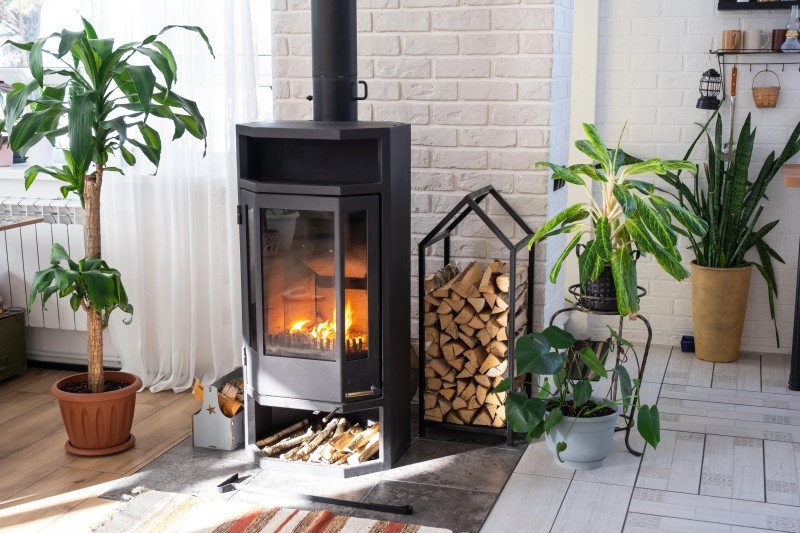
Types of Small Fireplaces
| Fireplace Type | Description | Pros | Cons |
|---|---|---|---|
| Electric | Uses electrical power to create heat. Offers lots of designs, consisting of wall-mounted and freestanding systems. | – Easy to set up – Low maintenance – No venting required |
– Limited heat output – May incur greater electrical energy costs |
| Gas | Burns natural gas or propane. Often available as logs in a traditional fireplace or modern designs. | – Efficient heat output – Cleaner than wood – Easy ignition |
– Requires gas line setup – Some units require venting |
| Ethanol | Burns bioethanol, offering real flames without a chimney. | – Eco-friendly – Portable – No setup required |
– Limited heat output – Higher fuel costs |
| Wood-Burning | Traditional fireplaces that burn fire wood. Typically used in more rustic settings. | – Great heat output – Rich ambiance – Can be utilized throughout power interruptions |
– Requires a chimney – Regular upkeep and cleaning |
Advantages of Small Fireplaces
- Area Efficiency: Small fireplaces are ideal for apartment or condos, condominiums, and smaller sized homes. They optimize warmth without using up excessive flooring space.
- Cost-efficient Heating: In specific cases, small fireplaces can supplement central heating systems, minimizing overall energy costs while developing a more comfy environment.
- Ambiance and Aesthetics: They offer a welcoming focal point to a space, producing a cozy environment ideal for relaxation and celebrations.
- Versatility: Available in various designs and styles, small fireplaces can complement any decoration, from modern minimalist to rustic traditional.
Setup Considerations
When contemplating a small fireplace, installation is an essential factor that can affect the option of model. Below are handy factors to consider:
- Local Regulations: Building codes can vary by place; always check regional guidelines before setup.
- Ventilation Needs: Depending on the type, small fireplaces might need various ventilation systems. Gas fireplaces might require venting outdoors, while electric models do not.
- Power Source: Electric designs need distance to electric outlets, while gas and ethanol models might need a gas line or fuel storage.
- Weight and Structure: Installing wall-mounted systems may need strengthened wall locations, whereas free-standing models are simpler to transfer.
Maintenance Tips
Like any other home appliance, small fireplaces require routine upkeep to function effectively and safely. Here are important maintenance pointers for various fireplace types:
For Electric Fireplaces:
- Cleaning: Wipe down the system with a soft fabric to get rid of dust and keep the heating unit ducts clear.
- Inspection: Check the power cable frequently for any damages or signs of wear.
For Gas Fireplaces:
- Annual Inspections: Schedule yearly evaluations by an expert to make sure safe gas circulation.
- Tidy the Logs: Regularly clean the burner and logs to keep ideal efficiency.
For Ethanol Fireplaces:
- Fuel Storage: Store ethanol fuel safely far from direct sunlight and heat sources.
- Regular Cleaning: Clean the burner after each usage to maintain efficiency and avoid soot buildup.
For Wood-Burning Fireplaces:
- Chimney Sweeping: Have the chimney expertly cleaned up as soon as a year to prevent creosote buildup.
- Firewood Storage: Only use dry, experienced wood to decrease smoke and promote effective burning.
Often Asked Questions
1. Can I set up a small fireplace myself?
While some electric and ethanol fireplaces are relatively easy to install, it is a good idea to employ an expert for gas and wood-burning units to make sure compliance with regional building regulations.
2. Just how much does it cost to run a small fireplace?
The expense will vary depending upon the type of fireplace. Usually, electric fireplaces might sustain higher electrical energy expenses, while wood-burning alternatives can draw from renewable fire wood supplies.
3. Do I need a license for setup?
Permits are generally required for gas and wood-burning fireplaces due to their setup intricacy and safety policies. Always contact local authorities.
4. How long can I run an electric fireplace?
The majority of electric fireplaces can run for long periods; nevertheless, it’s suggested to follow producer guidelines to avoid overheating or damaging the unit.

5. What kind of small fireplace is best for a small space?
This largely depends on specific needs. Electric models are versatile and simple to set up, while gas and ethanol choices provide real flames with effective heat output.
Small fireplaces represent a functional and elegant alternative for those seeking efficient heating services in compact living areas. With different types readily available, house owners can select designs that line up with their aesthetic preferences and space requirements. By understanding the installation processes and regular upkeep required, individuals can take pleasure in the comfort and ambiance that small fireplaces provide for several years to come. Whether for a cozy evening in your home or a welcoming space for gatherings, small fireplaces are a long-lasting aspect of modern and traditional decor alike.
No listing found.